Longest Day, Deepest Roots: A Traveler's Honest Guide to Southwest Solstice Celebrations
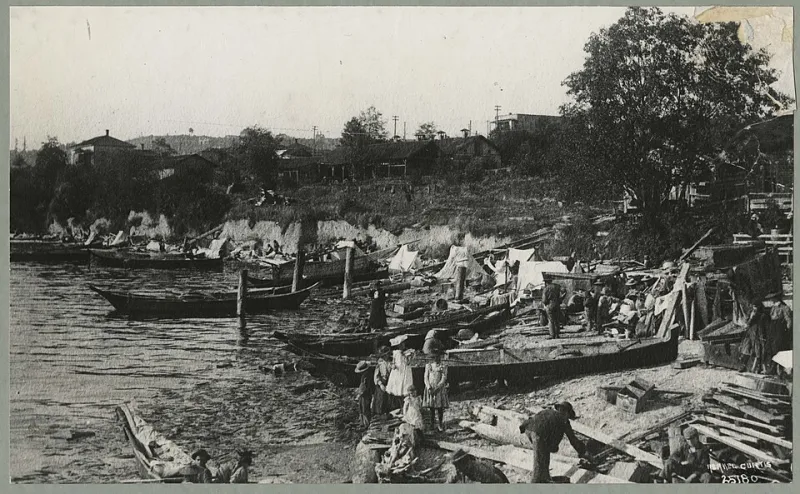
Photo: Anders Beer Wilse, Public domain, via Wikimedia Commons
Every June, something shifts in the Southwest. The light changes — longer, more insistent, pressing into the canyon walls at angles that make the stone look like it's glowing from the inside. The heat builds. And across tribal nations from the Rio Grande Pueblos to the Tohono O'odham lands of southern Arizona, communities mark the turning of the year with ceremonies that have been refined over generations beyond counting.
For heritage travelers, this is one of the most compelling times to be in the region. It's also one of the most delicate.
Let's be direct about something upfront: not every ceremony is yours to witness. Some of the most spiritually significant observances of the summer solstice season are closed to outsiders — not out of hostility, but out of an entirely reasonable desire to protect practices that have survived centuries of suppression and cultural disruption. Showing up uninvited to a closed ceremony isn't cultural appreciation. It's trespassing.
The good news? There's plenty of genuinely open, community-supported celebration happening across the Southwest every June — and experiencing it thoughtfully is one of the most rewarding things you can do as a traveler.
Understanding the Distinction: Open vs. Closed
Before diving into specifics, it helps to understand why this distinction exists and why it matters.
Many Southwestern Indigenous ceremonies were actively suppressed by the U.S. government well into the 20th century. The American Indian Religious Freedom Act wasn't passed until 1978. That's within living memory for many community elders. The instinct to protect sacred practices from outside intrusion isn't historical paranoia — it's a reasonable response to a real and recent history.
Open events, on the other hand, are events that tribal communities have explicitly chosen to share. They're often designed with visitors in mind, sometimes generating tourism revenue that supports community programs. Attending these events, spending money at vendor booths, buying directly from artists — this is economic participation that actually benefits the communities you're visiting.
The rule of thumb: if a tribal nation's official website or visitor center lists an event as open to the public, you're welcome. If you're not sure, ask. Call the tribal tourism office. They'd rather answer a respectful question than deal with an uninvited guest.
What's Typically Open: A Regional Overview
Pueblo Feast Days and Dances (New Mexico)
Many of New Mexico's Pueblo communities hold feast days and ceremonial dances throughout the summer that are open to respectful visitors. The timing varies by Pueblo and doesn't always fall precisely on the solstice, but the June-through-August window is rich with activity.
Acoma Pueblo, Taos Pueblo, and Santo Domingo Pueblo (now officially Kewa Pueblo) have historically welcomed visitors to certain public dances. These events typically include drumming, traditional dress, and community gatherings that are genuinely moving to witness. Photography rules vary significantly by Pueblo — some ban cameras entirely during ceremonies, others restrict them to specific areas. Respect these rules without exception.
Check each Pueblo's official tourism resources before visiting. Rules change, and what was open last year may be closed this year for community reasons.
White Mountain Apache Tribal Fair and Rodeo (Arizona)
Held annually in late summer, the White Mountain Apache Tribal Fair is one of the more visitor-accessible large-scale cultural events in Arizona. It includes rodeo events, traditional dances, arts and crafts vendors, and food — a genuine community celebration that also functions as a welcoming space for outside guests.
This isn't a solstice ceremony in the strict sense, but it's part of the broader summer cultural calendar and gives visitors real, unmediated access to Apache community life in a context where that access is explicitly invited.
Tohono O'odham Wa:k Powwow (Arizona)
The Tohono O'odham Nation hosts powwow events that draw visitors from across the region. Powwows are generally among the most visitor-friendly Indigenous gatherings in the US — they're often explicitly designed to share culture with outside audiences. Grand entries, intertribal dances, and drum competitions are typically open for viewing, and vendor areas offer direct purchasing from Indigenous artisans.
What to Expect — and How to Show Up Right
Going to an open cultural event isn't like going to a music festival. The expectations are different, and meeting them is your responsibility as a guest.
Dress modestly. This isn't a beach. Shorts and tank tops can be seen as disrespectful at ceremonial events. When in doubt, cover up.
Follow photography rules to the letter. If cameras are prohibited, put your phone away entirely. Don't try to sneak shots. The ceremony is not content for your Instagram.
Buy something. If there are vendors, shop with them. This is one of the most direct ways your visit translates into community benefit. Authentic handmade jewelry, pottery, textiles, and food are typically available. Buying directly from the maker — not from a third-party reseller — is the gold standard.
Stay where you're supposed to stay. Open events have designated visitor areas. Don't wander into spaces that aren't marked as public.
Ask before you assume. If you're unsure whether something is okay — taking a photo, entering a space, joining a dance — ask a community member or event staff member. Most people appreciate the question.
Planning Your Trip Around the Solstice Season
For travelers booking through Apache Ta Tours, the June solstice window is one of our favorite times to route itineraries through New Mexico and Arizona. The combination of longer daylight hours, active cultural programming, and the particular quality of high-desert summer light makes for genuinely memorable travel.
We can help you build an itinerary that hits open events while also giving you time to explore the landscape, visit heritage sites, and connect with the region on your own terms. The goal is always the same: meaningful experience that benefits the communities making it possible.
The Southwest in June is alive in ways that other seasons simply can't match. You just have to know how to be a good guest in someone else's home — and honestly, once you get that right, the doors that open are worth every bit of the effort.