Small Group, Big Difference: Why Intimate Indigenous-Led Tours Are Winning Over Southwest Travelers
Let's be honest about what mass tourism in the Southwest usually looks like. A 50-person bus pulls into a scenic overlook. Everyone gets 20 minutes, a few photos, and a gift shop receipt. Then it's back on the highway toward the next stop on a laminated itinerary. Nobody learns anything. Nobody connects with anyone. And the money? A lot of it flows right back out of the community.
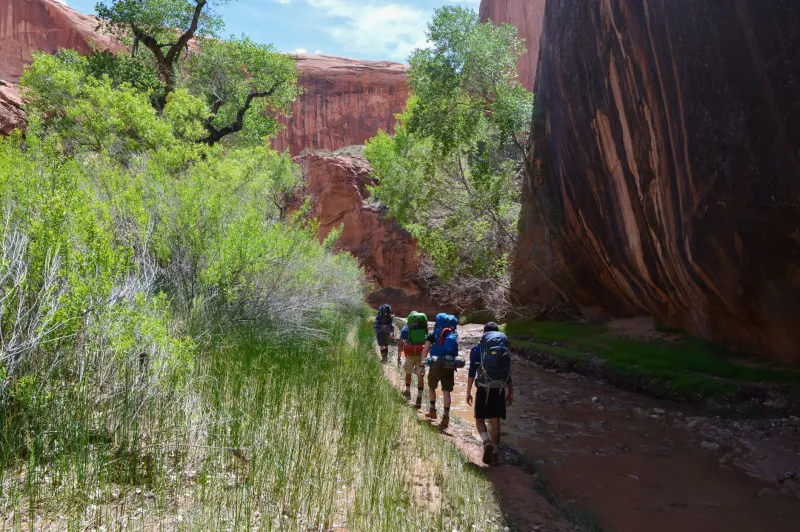
Contrast that with what happens when you book a small-group tour through an Apache or Indigenous-led operator. You're traveling with maybe eight to twelve people, max. Your guide grew up on this land. They know the name of every canyon, every plant, every shift in the wind. And when the day is done, the dollars you spent actually stay local.
This isn't just a feel-good argument. It's a practical one.
What You Actually Get With a Smaller Operator
Marcus T., a guide who's been leading cultural excursions through the White Mountain Apache homeland for over a decade, puts it simply: "With a big tour, you're a number. With us, you're a guest. Those are two very different experiences."
He's not exaggerating. Small-group Indigenous tours tend to operate on a fundamentally different philosophy. Where commercial operators are optimizing for throughput — more people, more stops, faster turnaround — community-based guides are optimizing for depth. They slow things down. They let conversations happen. They're not watching a clock the same way.
That difference shows up in the details. A smaller group can access trailheads and sites that larger tours simply can't reach. Guides can tailor the pace and content to who's actually in front of them. If someone in your group is a botanist who wants to spend 40 minutes talking about medicinal plants, that can actually happen. If someone needs a break, you take one.
"I learn my guests' names before we even leave the parking lot," says Delilah R., who runs cultural day tours out of a small Apache community in eastern Arizona. "By the end of the day, I want them to feel like they understand something real about this place — not just that they checked it off a list."
The Economics of Choosing Local
Here's a number worth sitting with: studies on tourism economics consistently show that large commercial operators — especially those headquartered outside the communities they tour through — retain a significant chunk of visitor spending at the corporate level. Local communities, the ones tourists are ostensibly visiting, often see only a fraction of what travelers actually spend.
With Indigenous-owned and operated tour companies, that equation flips. Your booking fee pays a local guide's salary. It might fund a community storytelling program, or help maintain a cultural center, or support a family-run food vendor who packs your lunch. The economic loop stays tight and local.
For travelers who care about where their money goes — and more and more Americans do — this matters. Booking with a community-based operator isn't charity. It's just a smarter way to spend.
How to Spot the Real Deal
Not every tour company that uses words like "authentic" or "cultural" is actually delivering on that promise. Here's how to tell the difference before you book.
Check ownership and affiliation. Is the company owned and operated by Indigenous community members? Many legitimate operators will say so clearly on their website or in their About section. If that information is vague or missing, that's worth noting.
Look at group size limits. Operators who genuinely prioritize quality experience tend to cap their groups. If a tour is advertising 40+ person capacity, it's probably not structured around intimacy or depth.
Read the guide bios. Are guides identified by name? Do they have community ties? A good operator is proud of who their guides are and where they come from. Anonymous "expert guides" is a red flag.
Ask about community benefit. Reputable operators won't be shy about explaining how revenue supports their community. Ask directly: What percentage of my tour fee stays local? How does this company give back?
Look for partnerships, not performances. The best cultural experiences aren't staged for tourists — they're invitations into something ongoing. Ask whether the cultural elements of the tour are connected to living community practices, not just historical reenactments.
Why Apache-Led Experiences Hit Different
There's something specific that happens when your guide has a personal, generational relationship with the land you're walking through. It's not just knowledge — it's stakes. Apache guides aren't reciting facts from a training manual. They're sharing something that belongs to them, and to their families, and to their community's future.
That's a completely different energy than getting a scripted monologue from a hired narrator who drove in from Scottsdale.
"This canyon has a name in our language that describes exactly what it sounds like when the wind comes through in the fall," one White Mountain Apache guide told a group recently, pausing mid-hike to let everyone listen. "No translation does it justice. You just have to be here."
You can't manufacture that. You can't replicate it at scale. It only exists in small groups, on slow days, with guides who have something personal to share.
Making the Switch: Practical Next Steps
If you're planning a Southwest trip and want to do it differently, here's where to start.
First, do your research before you arrive. Many community-based operators book out weeks or even months in advance, especially for peak season. Don't assume you can walk up and get a spot.
Second, be flexible about the experience. Smaller operators may not offer the same level of logistical polish as big commercial tours. The van might be older. The schedule might shift. That's often part of the trade-off for something more genuine. Roll with it.
Third, come with questions, not just a camera. The best small-group guides love a curious traveler. Bring your genuine interest and you'll get back far more than you expected.
Finally, leave a thoughtful review afterward. For small operators competing against well-funded commercial companies, word of mouth and online reviews are genuinely important. If the experience was good, say so publicly.
The Bottom Line
Mass tourism has its place, but it's not the only option — and in the Southwest, it's rarely the best one. The region's Indigenous communities have something extraordinary to share, and the operators who've built businesses around sharing it deserve support from travelers who actually want to understand where they are.
Smaller groups. Deeper connections. Money that stays local. It's not a complicated argument. It's just a better way to travel.