Spend It Right: A Traveler's Guide to Putting Money Back Into Apache and Southwestern Indigenous Communities
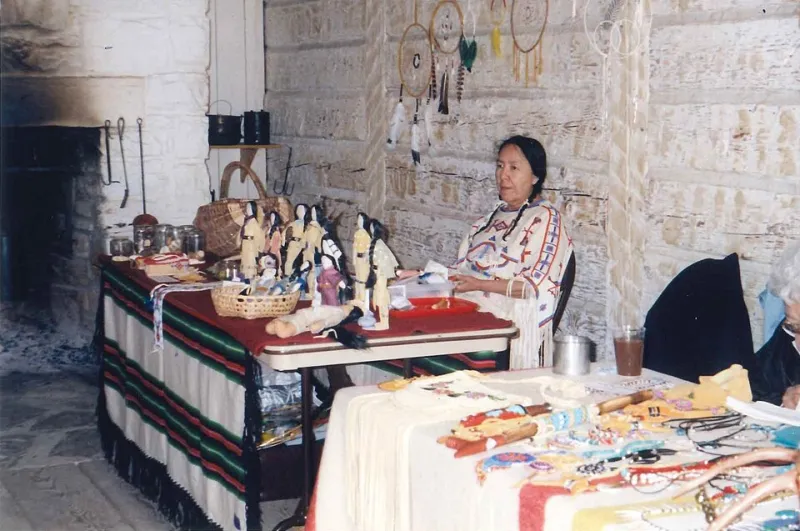
Photo: NPS Photo, Public domain, via Wikimedia Commons
Let's be honest for a second. Most of us show up to the Southwest with the best intentions and still manage to spend three days handing money to businesses that have absolutely nothing to do with the communities we came to learn about. A dreamcatcher made overseas. A jeep tour run by an out-of-state company. Dinner at a chain restaurant on the edge of town. It adds up fast — and it adds up in the wrong direction.
Ethical travel in Apache and broader Indigenous territory isn't complicated, but it does require a little intention before you leave home. The good news? When you get it right, the experience is richer, more memorable, and a whole lot more meaningful than anything a generic travel package can offer.
What 'Good Tourism' Actually Means to the People Who Live It
We asked that question directly to community members and cultural leaders across the Southwest, and the answers were refreshingly consistent.
"Good tourism is when someone comes here curious, not consuming," says one cultural guide who leads experiential tours on White Mountain Apache land in Arizona. "They want to understand, not just photograph. And they're willing to slow down for that."
A tribal enterprise director in New Mexico put it differently: "The best visitors we get treat this like a relationship, not a transaction. They come back. They tell their friends. They leave something behind — not just economically, but in terms of respect."
That framing — tourism as relationship — is the thread running through nearly every conversation about what responsible travel looks like in Indigenous communities. It's less about a checklist and more about a mindset shift.
Book Where the Money Stays Local
Accommodations are one of the biggest financial decisions you'll make on any trip, and in the Southwest, you have genuinely great options that keep revenue inside tribal economies.
Tribal-owned lodges and hospitality enterprises exist across Arizona and New Mexico, ranging from rustic cabins near Apache ancestral lands to full-service resorts operated by Native nations. These aren't consolation prizes — many are stunning, well-run, and situated in locations that privately owned hotels simply can't touch. Staying at a tribally operated property means your room rate funds community programs, infrastructure, and jobs that stay local.
Before booking, ask directly: Is this property tribally owned or operated? Is it a partnership with a Native-owned enterprise? A quick email or phone call to a property can answer that in about two minutes. Many tribal tourism offices also maintain vetted accommodation lists, so start there when you're planning.
Choose Guides Who Carry the Culture Themselves
This one matters more than almost anything else. The difference between a tour led by a cultural practitioner — someone who grew up with this knowledge, who speaks the language, who has standing in the community — and a tour led by an enthusiastic outsider is enormous. Not just ethically, but experientially.
Cultural practitioners bring context that no amount of research can replicate. They know which stories are appropriate to share and which belong only to ceremony. They can read a landscape the way most of us read a text message — fast, fluent, and with layers of meaning most visitors would never catch on their own.
At Apache Ta Tours, we specifically connect travelers with guides who are embedded in the communities they represent. That's not a marketing line — it's the whole model. When your guide is also a community member, the tour itself becomes an act of cultural preservation, not just narration.
Shop With Your Eyes Open
The Southwest art and craft market is full of beautiful things. It's also full of imitation. Mass-produced goods marketed as "Native-inspired" or "Southwestern style" are everywhere, and buying them funnels zero dollars to actual Native artists.
The Indian Arts and Crafts Act makes it illegal to misrepresent non-Native work as Native-made, but enforcement is imperfect and plenty of misleading products still circulate. Your best defense is buying directly from artists — at juried Native art markets, at studio visits, or through tribal co-ops and cultural centers that vet their vendors.
When you buy a piece directly from the person who made it, you're doing something that matters: you're sustaining a living art tradition, not just decorating your living room. Ask artists about their work. Most love talking about it, and those conversations are part of what makes the piece worth owning.
Participate, Don't Perform
Many Apache and Southwestern Indigenous communities now offer structured cultural experiences — cooking workshops, traditional craft demonstrations, guided land walks, storytelling evenings. These programs are designed for visitors, which means they're appropriate to attend. They're also meaningful revenue sources that directly fund community-led cultural education.
What they're not is a performance put on for your entertainment. Show up with curiosity and humility. Ask questions when invited to. Follow the lead of your host on what's photographable, what's participatory, and what's simply meant to be witnessed quietly.
One elder who leads traditional plant-knowledge walks near the Tonto Basin put it simply: "Come ready to learn, not ready to post."
A Few Practical Steps Before You Go
If you want to travel with purpose in Apache and Southwestern Indigenous territory, here's where to start:
- Contact tribal tourism offices directly. Most Apache nations and Pueblo communities have tourism departments that can point you toward vetted, community-approved experiences.
- Check the Indian Pueblo Cultural Center (Albuquerque) and the Heard Museum (Phoenix) for event calendars, artist directories, and cultural programming that supports Native communities.
- Ask questions before you book. Who owns this tour company? Where does the revenue go? Is this guide a community member?
- Budget for tipping cultural guides generously. Knowledge shared is labor given, and it deserves acknowledgment.
- Come back. Repeat visitors are genuinely valued. A relationship built over multiple trips does more good than one well-intentioned vacation.
The Bigger Picture
Tourism dollars moving through Indigenous economies don't just pay individual salaries — they fund language revitalization programs, youth cultural camps, land stewardship initiatives, and community health services. When you make intentional choices about where to stay, who to hire, and what to buy, you're participating in something larger than a vacation.
The Southwest is one of the most extraordinary places in the country to travel. The land is ancient, the cultures are alive and evolving, and the welcome — when it's extended — is genuine. Honoring that welcome means showing up prepared to give something back.
That's not a burden. Honestly, it's what makes the trip worth taking.