Stop Chasing the Map: How Letting Land Lead You Unlocks a Richer Kind of Travel
Most of us plan a trip the same way we shop online. We build a cart. Sedona on Monday, the Grand Canyon on Tuesday, White Sands by Thursday. We move fast, photograph everything, and come home with a full camera roll and a vague sense that we missed something. Sound familiar?
There's a different way to travel—one that's been practiced in the Southwest for thousands of years. And honestly, once you understand it, the checklist approach starts to look a little hollow.
What 'Ta' Actually Means
The Apache word ta doesn't translate neatly into English, which is kind of the point. It gestures at land, yes—but also at territory, belonging, and the ongoing relationship between a people and the ground beneath their feet. It's not a place you visit. It's a place you know.
For Apache peoples, territory wasn't a backdrop for experience. It was the experience itself. Knowing ta meant understanding which canyon held water after a dry spell, which ridge caught the first light of winter, which plants grew near which rocks and what that combination told you about the season. This wasn't academic knowledge. It was lived, inherited, and constantly updated through presence.
Modern travelers almost never build that kind of knowledge. We pass through. We sample. We move on before the land has had a chance to say anything back to us.
The Problem With Seeing Everything
Here's something nobody tells you when you're planning a Southwest road trip: trying to see everything is a reliable way to experience almost nothing deeply.
When you're covering ground—three states in five days, say—you're spending most of your cognitive energy on logistics. Navigation, timing, parking, reservations. The land becomes scenery rather than substance. You're looking at it rather than being in it.
And the Southwest, more than almost anywhere else in the country, rewards the people who stay. The light at Canyon de Chelly changes completely between morning and late afternoon. A trail in the Chiricahua Mountains feels entirely different after a summer rainstorm than it did in the dry heat of the day before. A conversation with a local elder, a meal cooked over a fire, a morning spent watching hawks work the thermals above a mesa—these things don't happen on a packed itinerary. They happen when you've got nowhere else to be.
What It Looks Like in Practice
Shifting toward a ta-informed way of traveling doesn't mean you have to abandon planning entirely. It means reorganizing your priorities.
Instead of asking how many places can I reach, start asking how well can I come to know one place? That reframe changes everything downstream.
Choose depth over breadth. Pick a region—a single valley, a stretch of high desert, a particular canyon system—and commit to it for the duration of your trip. Resist the urge to drive two hours because something else looks good on Instagram.
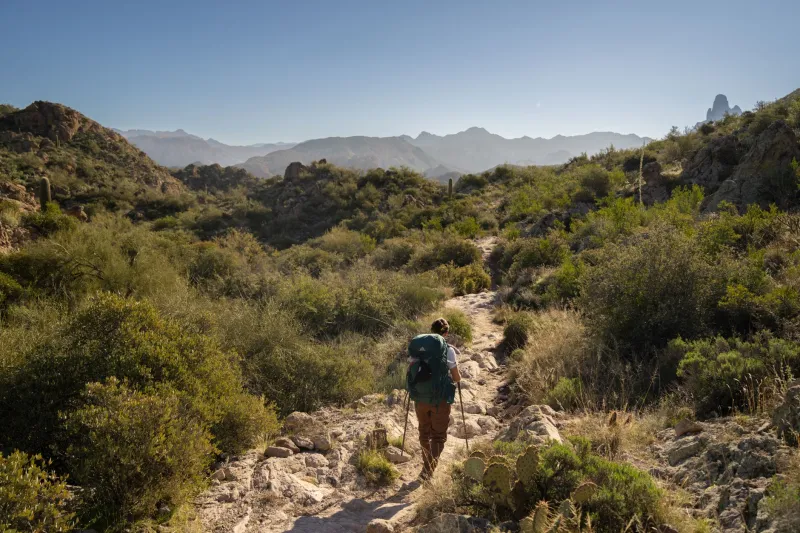
Let the land set the pace. If you wake up and the light is extraordinary, spend the morning outside. If a trail invites you to sit and rest, sit and rest. Apache movement through territory was never purely goal-oriented. It was responsive. The land told you things, and you adjusted.
Engage with people who know the place. This is where culturally guided experiences become genuinely transformative rather than just entertaining. An Apache guide who grew up in a region carries knowledge that no app or guidebook can replicate. They know what the land sounds like before rain. They know which stories belong to which rock formation. That knowledge is a gift, and it's only available if you slow down enough to receive it.
Return to the same spots. This one feels counterintuitive to travelers trained on novelty, but it's powerful. Visit the same overlook at dawn and again at dusk. Walk the same trail twice and pay attention to what you notice the second time that you missed the first. Repetition builds familiarity, and familiarity is the beginning of real connection.
Why This Changes the Way You Come Home
Travelers who've spent time with Apache Ta Tours often describe a particular shift that happens somewhere in the middle of a slower, more intentional trip. The restlessness fades. The compulsion to document every moment quiets down. They start noticing things—the smell of creosote after rain, the way a hawk circles before it dives, the particular quality of silence in a desert canyon at midday.
That's not a small thing. That's your nervous system recalibrating. That's what happens when you stop consuming a landscape and start actually inhabiting it.
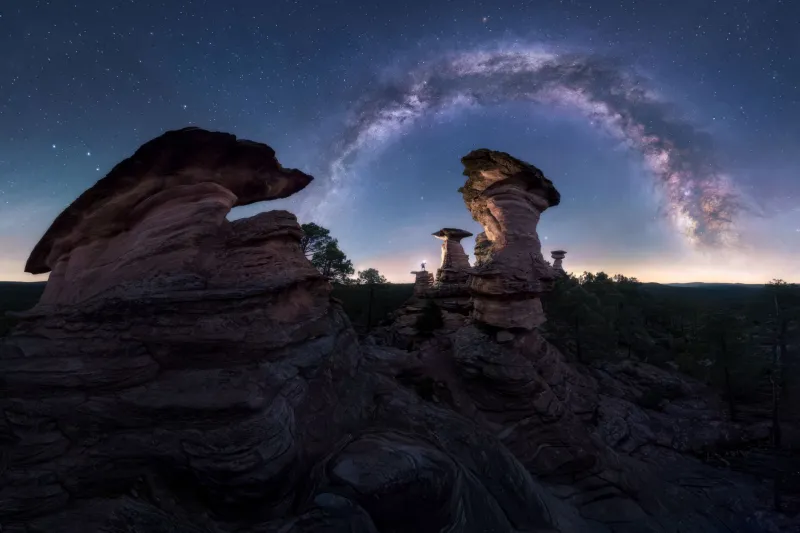
And here's the practical upside: you come home with actual memories. Not just photos. You remember the texture of the sandstone, the conversation you had with a guide about seasonal migrations, the way the stars looked from a mesa with no light pollution for fifty miles. You remember being somewhere, not just passing through.
The Southwest Is Patient
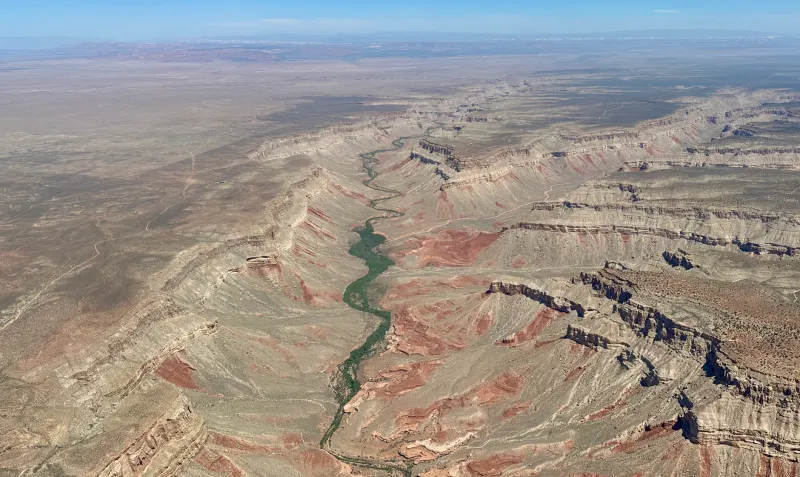
One thing you notice quickly when you spend real time in Apache country and the broader Southwest is that the land isn't in a hurry. These canyons have been here for millions of years. The desert has its own rhythms, its own logic, its own language—and it's not going to speed up to match your itinerary.
The Apache relationship with ta was built on that understanding. You don't rush the land. You learn to move at its pace, to read its signals, to understand that your presence in a place is a relationship that requires time to develop.
That's a radical idea in a travel culture obsessed with efficiency. But it's also, if you give it a real shot, one of the most quietly life-changing things you can do.
How to Start
If you're planning a Southwest trip and this resonates, here's a simple starting point: cut your destination list in half. Whatever you were planning to cover, do half of it and stay twice as long in each place.
Then, when you get there, find a guide who knows the land the way Apache peoples have always known their territory—not as a series of scenic stops, but as a living, storied, breathing place. Ask questions. Listen more than you talk. Walk slowly. Sit down when something pulls your attention.
The map will still be there when you get home. The experience of actually knowing a place—even one small corner of the Southwest—is something you can only build by staying.
That's the ta principle. And once you travel that way, it's hard to go back.